Understanding Attachment Styles And How They Impact Your Relationship
Author: Chris Taylor
Published at Sep 25, 2023
In the complex world of human relationships, understanding the different attachment styles is a pivotal piece to unlocking deeper connections and understanding your partner and what they need from you in your relationship. Rooted in early life experiences, attachment styles shape the way we approach love, trust, and emotional vulnerability in our relationships later in life.
In this article, we’ll dig into the 4 primary attachment styles and how they may influence your interactions with your partner!
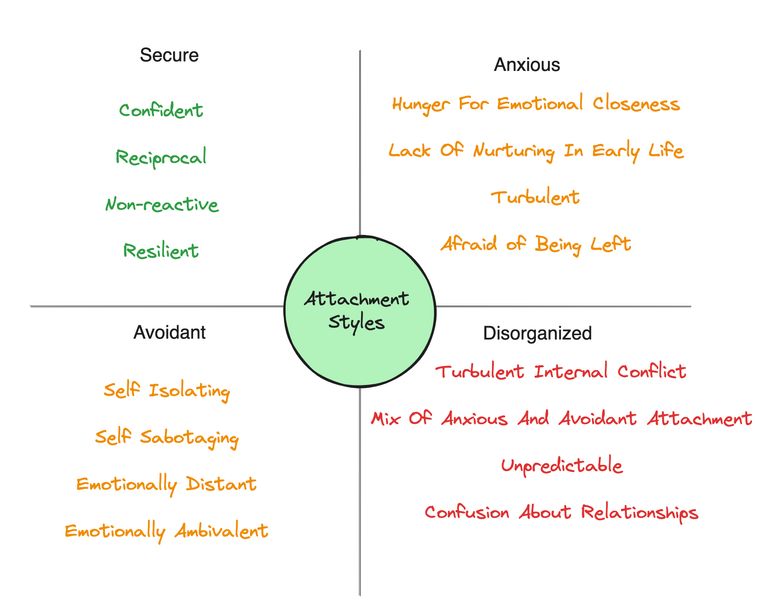
The Four Attachment Styles
1. Secure Attachment
People with the secure attachment style feel very comfortable with emotional intimacy and are able to effectively balance independence with intimacy. They have a self assured and positive view of themselves as well as of their partner. They also have trust in the stability of their relationships, and are confident in seeking support and expressing their needs.
This style of emotional attachment is often characterized by open communication, respect for their partner, and a strong sense of trust in others.
2. Anxious Attachment
People with an anxious attachment style often have a strong need for emotional closeness and worry about their partner’s availability and commitment to their relationship. They may be hurt by perceived signs of rejection or abandonment from their partner, so it’s important to them to receive reassurance from their partners.
Anxious individuals may find themselves constantly mulling over thoughts of their relationship and can sometimes struggle with feelings of insecurity when their partner does not express affection.
3. Avoidant Attachment
Individuals with an avoidant attachment style will value their independence and self-sufficiency in a relationship. They may have difficulty with being emotionally vulnerable and may feel uncomfortable with too much closeness, even if they have strong feelings for their partner.
Avoidant individuals tend to be self-reliant and may be hesitant to lean on others for support even if they want it. They may also withdraw or become emotionally distant when faced with challenging emotional situations. It’s important for the partners of those with an avoidant attachment style to be ok giving their partner space and to make our partner feel safe, especially before trying to have difficult conversations.
4. Disorganized Attachment
The disorganized attachment style is characterized by a mixture of both anxious and avoidant behaviors. Partners with a disorganized attachment style may have experienced inconsistent or unpredictable caregiving early on in life which may lead to a sense of confusion and ambivalence in their relationships.
They may struggle with a fear of abandonment while at the same time also feeling uncomfortable with too much closeness. It’s important when communicating with a disorganized attached partner to be patient and understanding even when their behavior does not seem to make logical sense.
Impact on Relationships
Understanding your own attachment style can provide valuable insights into how you should approach relationships. It can also shine light on challenges that you may face while building and maintaining connections with others.
Secure Attachments: Tend to lead to stable and fulfilling relationships marked by trust, open communication, and mutual support.
Anxious Attachments: Can benefit from learning to manage their need for reassurance and developing strategies for building trust and security.
Avoidant Attachments: May need to work towards becoming more comfortable with emotional intimacy and learning to rely on their partners for support.
Disorganized Attachments: Will usually benefit from seeking counseling or therapy to address the underlying issues from their past that may be influencing their current relationships so that they can develop healthier relationship patterns.
Nurturing Our Attachments

Therapy and Counseling: Working with a counselor or therapist can help provide a safe space to explore and heal attachment related issues.
Mindfulness and Self-Reflection: Practicing mindfulness can help individuals become gain more insight into their own emotions and needs, allowing for us to build more secure and fulfilling relationships.
Effective Communication: Learning how to express needs, fears, and desires in a constructive and non-confrontational manner can help build trust and intimacy.
It’s important to remember that the unique interactions between your attachment style and your partners may require tweaks to these methods in order to help address any issues that attachment styles may be the root of in your relationships.
Understanding the attachment styles of yourself and your partner (or the mix that each of you bring to the table) is a powerful tool for enhancing the quality and understanding that you can bring to a relationship. Remember, it’s never too late to work on yourself and developing a more secure attachment style to create the loving and supportive relationships that we all deserve